
DATE
December 2, 2025
The holiday season has always meant extra pressure for teams, crowded inboxes and a scramble to finish the year. Attackers know this. This year, they are using new tools. Artificial intelligence is turning social engineering into a silent weapon. Deepfake videos, cloned voice calls and realistic fake messages make scams harder to spot than ever. What used to require technical skill now only requires access to publicly available media and AI tools. As a result, end of year scams are rising, and many businesses and individuals remain unprepared.
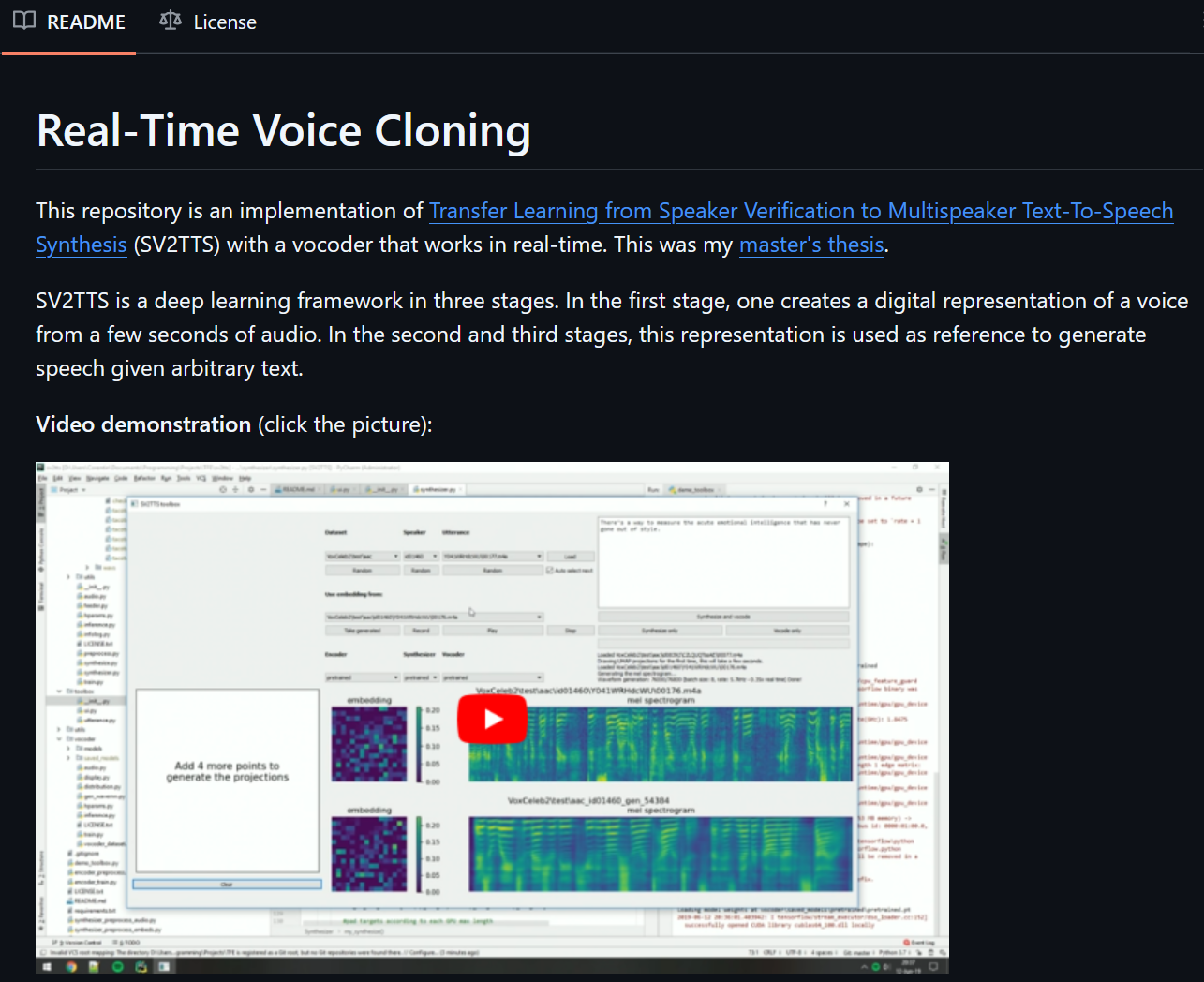
AI is changing the game. Voice cloning can give an attacker the believable voice of a CEO or vendor. Deepfake video messages can impersonate executives requesting financial transfers, access to sensitive documents or urgent credential resets. Fake texts and chat messages can mimic legitimate services or known contacts, giving the attacker a foothold without triggering traditional detection methods.
These attacks often target employees who are rushing through tasks, trying to complete last minute work or handling increased seasonal volume. During this time of year, attackers know people are more likely to act quickly and less likely to verify unusual requests.
What makes these tactics especially dangerous is how they exploit trust and urgency. A familiar voice, a known name or a believable message often feels sufficient to act on, even when something is slightly off. As AI becomes more accessible, attackers do not need advanced technical skills. They only need to create a moment of pressure that pushes someone to respond.
Recognition alone no longer works. Familiarity has become a weak form of authentication.
When voices, faces and messages can be fabricated, verification must move from recognition to confirmation. The most effective defense today comes from small behavioral changes and clear internal processes.
For individuals, this can be as simple as using a shared passphrase with trusted contacts. A cloned voice or fake message will not know it, and it immediately exposes impersonation attempts.
For companies, structured verification is essential. A request to transfer funds, reset credentials or release sensitive information should require a second channel of confirmation. If a request arrives by phone, confirm through email or chat. If it arrives by email, confirm with a call or in person. Approval power should be limited and multi step. These measures add a small amount of friction but a substantial amount of protection.
Teams also need awareness. Employees should understand how AI enabled impersonation works and why urgency is such an effective tactic for attackers. When people expect these threats, they respond more cautiously.
Begin by reviewing how your organization verifies requests and approvals. The goal is to replace assumptions with clear steps that prevent impersonation attempts from slipping through. The following actions can improve your security posture during a period when attackers rely heavily on distraction and urgency:
• Use a shared passphrase for sensitive personal or family requests. A cloned voice or fake message will not know it.
• Create an internal passphrase for senior leaders and finance teams to confirm high risk or unusual instructions.
• Require a second channel of verification for financial transfers, credential resets or access requests. If a request arrives by phone, confirm through email or chat. If it arrives by email, confirm with a call.
• Limit who can authorize payments, vendor changes or access to sensitive information. Reducing approval points lowers exposure.
• Use multi step approvals for any transaction involving money or privileged access. One approval is not enough.
• Avoid recording your voice in voicemail greetings. Attackers can use audio from your voicemail to clone your voice convincingly. Use a generic system greeting instead.
• Provide your team with examples of AI enabled impersonation attempts so they know what these threats look like and how they typically unfold.
• Encourage employees to slow down when a request feels rushed or unusual. Urgency is one of the clearest indicators of social engineering.
• Make sure multifactor authentication is enabled across accounts and systems. It creates an added layer of protection if passwords are compromised.
• Remind staff that reporting suspicious activity early is critical. A quick escalation can prevent a minor incident from becoming something more serious.
The tools attackers are using have become more convincing. Their methods have become more human. Yet the most reliable defense remains simple. Verification, not recognition. A quick confirmation step, a passphrase, a second approval or a separate communication channel can prevent most AI driven impersonation attempts before they cause harm.
This holiday season, ikPin™ encourages organizations and individuals to rethink how they validate trust. These small adjustments create a stronger barrier against fraud and silent compromise.
If you would like help reviewing your security posture, strengthening internal verification processes or preparing your team for the rise of AI enabled scams, ikPin™ is ready to assist.